TL;DR
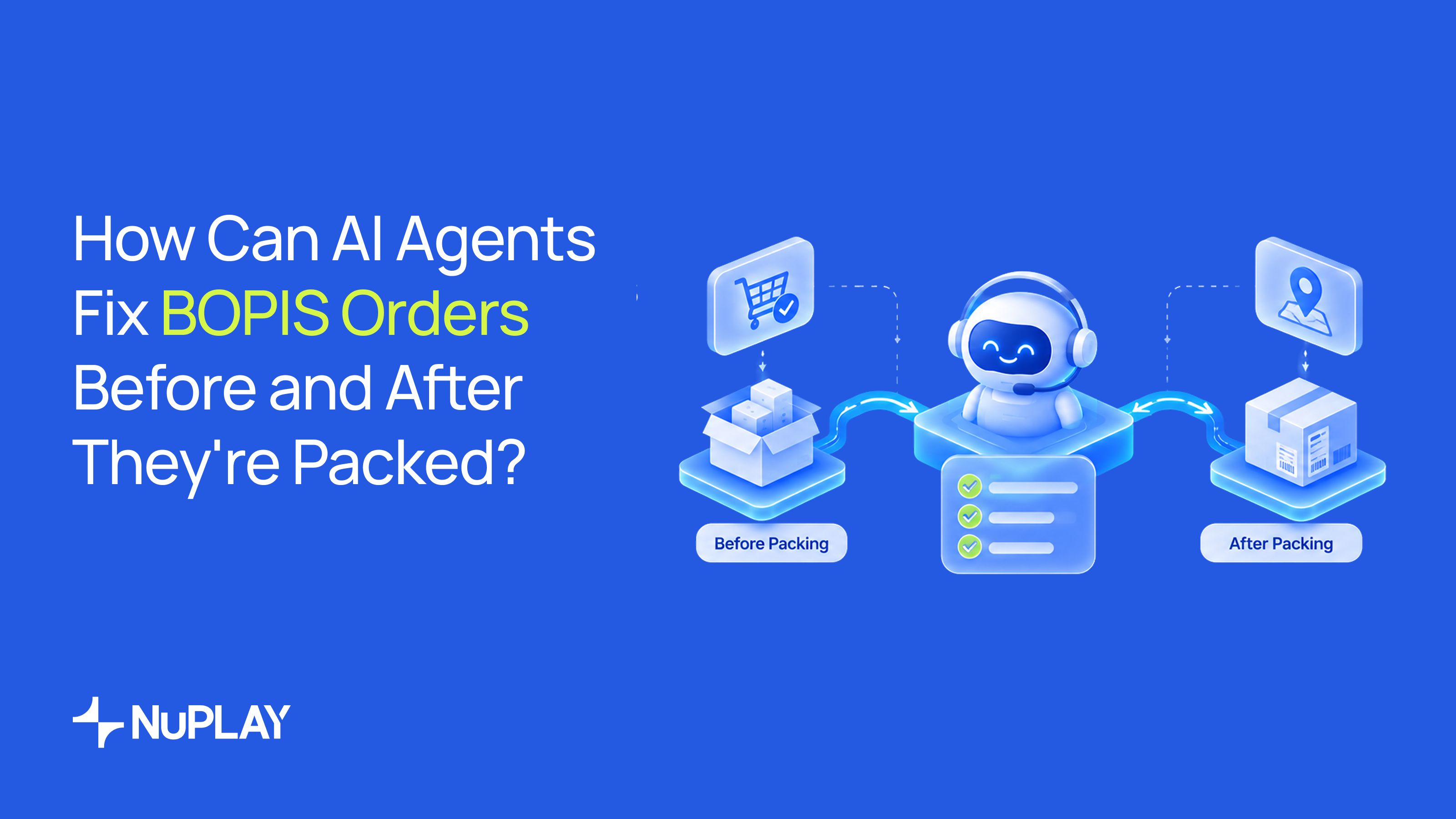
WISMO ("Where is my order?") is one of the largest categories of retail customer contacts, and it arrives everywhere: chat, email, the contact-center line, the store phone and the store counter. Most of it is a customer filling a silence the retailer could have filled first. AI agents reduce WISMO in three ways: they answer order-status questions from live order data in any channel, they send updates before customers ask, and they hand real problems to a person with the case already worked. The part most retailers miss is the store, because calls to stores create no ticket. Start with the highest-volume status questions, tell customers about delays first, and track repeat contacts per order.
Why do customers still ask "Where is my order?"
Every retailer already sends confirmation emails, links to a tracking page and runs a chat widget. Customers still ask. Industry estimates put WISMO at 10% to 25% of service contacts in a normal month, rising sharply at peak. Even that range, as one tracking provider points out, has no primary study behind it, so treat it as a direction, not a benchmark.
The reason self-service hasn't ended WISMO is simple. A tracking page answers "Where is the parcel?" It doesn't answer "What does this status mean for me?" A scan that hasn't moved in three days, a parcel marked delivered that isn't on the doorstep, or a pickup order marked ready that isn't bagged yet all send the customer to a person.
The cost goes beyond handling time. 43% of consumers say a poor customer experience deters them from shopping with a brand again, according to Salesforce's State of Service research. A WISMO contact is often the moment that experience is decided.
Where does WISMO show up?
WISMO isn't one queue. The same question arrives in five places, and each one reaches a person for a different reason.
The same triggers drive all five: delayed or stalled scans, carrier exceptions, split shipments, vague delivery promises at checkout, and pickup orders that aren't ready when the status says they are. After delivery, the question changes to "Where is my refund?" (WISMR), and the cycle repeats.
Why is WISMO in stores the part most retailers miss?
Every WISMO figure counts tickets, and the store phone creates none. When a customer calls to ask if a pickup order is ready, an associate stops helping a shopper, checks the order and comes back. Three things make this version harder to fix.
The interruption costs a sale, not just a minute. A contact-center agent who takes a WISMO call was going to take some call. An associate who takes one walks away from a shopper who was ready to buy.
The answer depends on what's physically in the store. "Ready for pickup" in the system and "bagged and on the pickup shelf" are not always the same moment. An answer from the order record alone can be confidently wrong.
Nobody owns it. The contact center owns WISMO targets. Store teams own sales and tasks. Calls about online orders fall between the two, so they are rarely counted.
For what happens when the pickup order itself can't be filled, see our BOPIS guide.
How do AI agents reduce WISMO?
The agent has three jobs: answer the question, make the question unnecessary, and hand over the cases it shouldn't answer.
1. Answer order-status questions from live data, in every channel
The agent reads the order management system (OMS) and carrier feeds directly, not a cached tracking page. It answers in chat, email and by voice on the contact-center line or the store phone, after confirming the customer against the order. For pickup orders it also checks store-side status: picked, staged, or still waiting on an item.
The same agent works for associates. At the counter, the associate asks "Where's order 4471?" and gets the status and next step without opening a second system.
2. Tell the customer before they ask
Most WISMO contacts are a customer filling a silence. The agent closes it with messages tied to real order events:
- Delay or exception alerts, sent as soon as the scan stalls or the carrier flags a problem, with a new date
- Ready for pickup, sent only when the order is confirmed staged, not when it is first marked picked
- Partial fill or substitution, sent before the customer travels, with options attached
- Ship-to-store arrival, when the store receives the item, not when the carrier marks it delivered
- Refund issued, so a return doesn't turn into a "Where is my refund?" contact
3. Escalate real problems with the case already worked
Some questions aren't status checks. The parcel is lost, the order is wrong, or the customer is on their third contact. The agent hands these to a person with the order history, every prior contact, and what the customer wants already attached. The person starts from the answer, not from "Can I get your order number?"
What should the agent do when the answer isn't clean?
Order status is easy when every system agrees. The test of a WISMO agent is the cases where they don't.
The pattern: the agent states what it knows, says what it doesn't, and never promises a delivery or pickup the business can't keep. One wrong "it's on its way" undoes ten right ones.
Where should retailers start, and what should they measure?
Start with the status questions where the answer already sits in your OMS or carrier data: "Where is it?" and "When will it arrive?" in chat and on the contact-center line. Add proactive delay alerts next, because they remove contacts rather than answer them. Then bring in the store phone and pickup questions. Lost parcels and wrong orders stay with people from day one.
Measure WISMO per order, not just as a share of contacts. WISMO contacts per 100 orders adjusts for order volume. Track the rate alongside total WISMO contacts and orders to interpret changes correctly. And because calls to stores are rarely logged, tag a week of store calls by reason before the agent goes live.
Watch wrong status messages most closely. They are what decides whether customers, and associates, keep trusting the agent.
How do NuPlay agents handle WISMO?
NuPlay's retail agents handle where's-my-order end to end, across voice, chat, email, SMS and messaging, and cite the policy clause behind each decision. For WISMO, that means:
- Order resolution: delivery status, pickup status, exchanges, refunds and loyalty points answered from live order data, with the policy applied stated in each answer
- Proactive outreach: delay alerts, delivery updates and follow-ups sent before the customer asks
- Intelligent escalation: cases that need a person arrive with history, intent and the customer's full picture in one handover
The agents connect to the systems that hold the answer: commerce platforms such as Shopify, Salesforce Commerce Cloud and Magento, and enterprise systems such as SAP, Oracle and ServiceNow. NuLoop, the platform's self-improvement layer, learns from every run, so the agent gets better at the questions your customers actually ask.